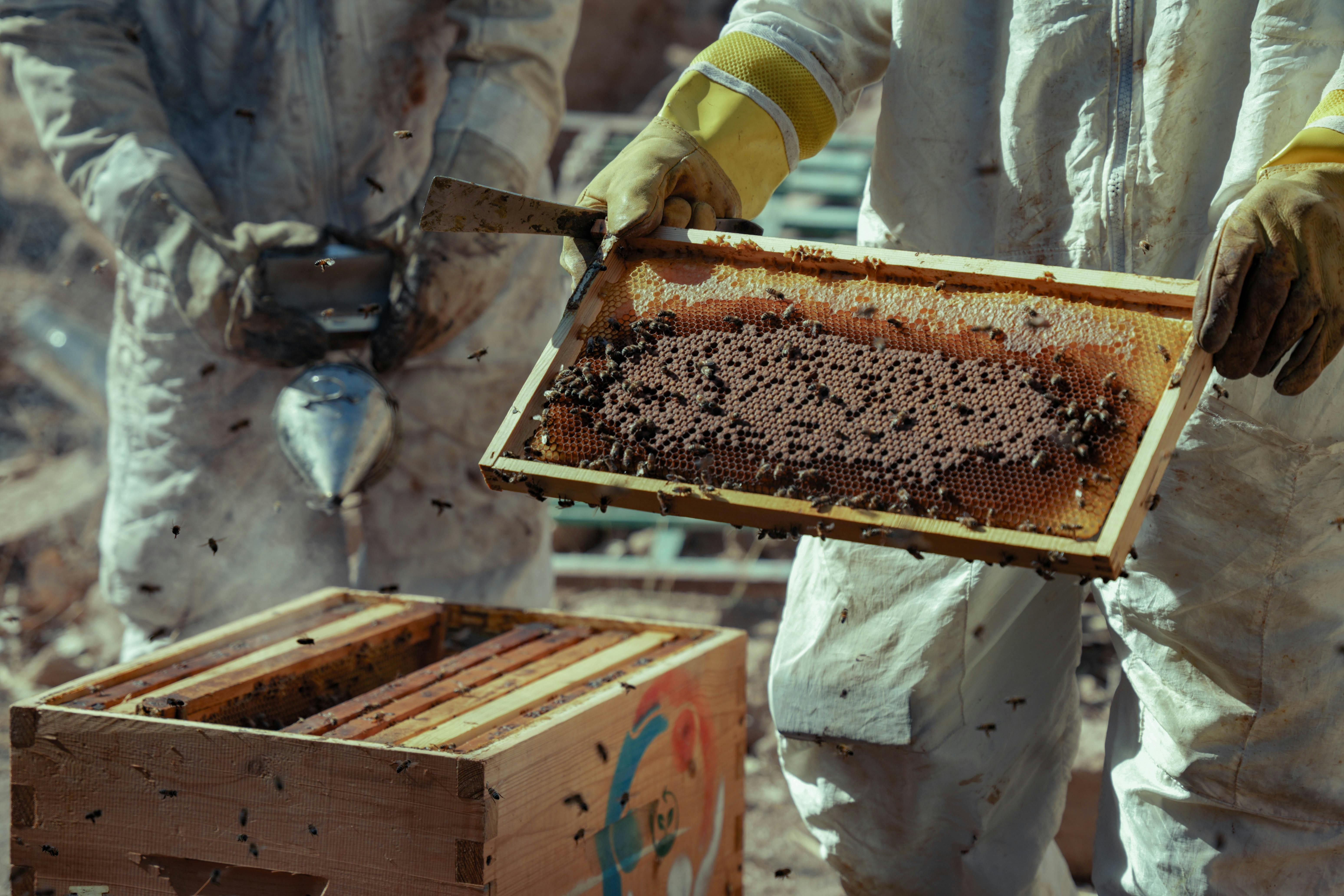
🐝 The Complete Beekeeping Manual 🍯
From first hive to golden harvest — practical steps, pest control, seasonal calendar, and your personal interactive checklist.
Before ordering bees, understand local rules and honeybee biology. A single hive contains 20,000–60,000 bees.
- Check city ordinances: many allow hives with setbacks.
- Identify the queen (longer abdomen), workers (female, all tasks), drones (male, no stinger).
- Join a local beekeeping club — mentorship is gold.
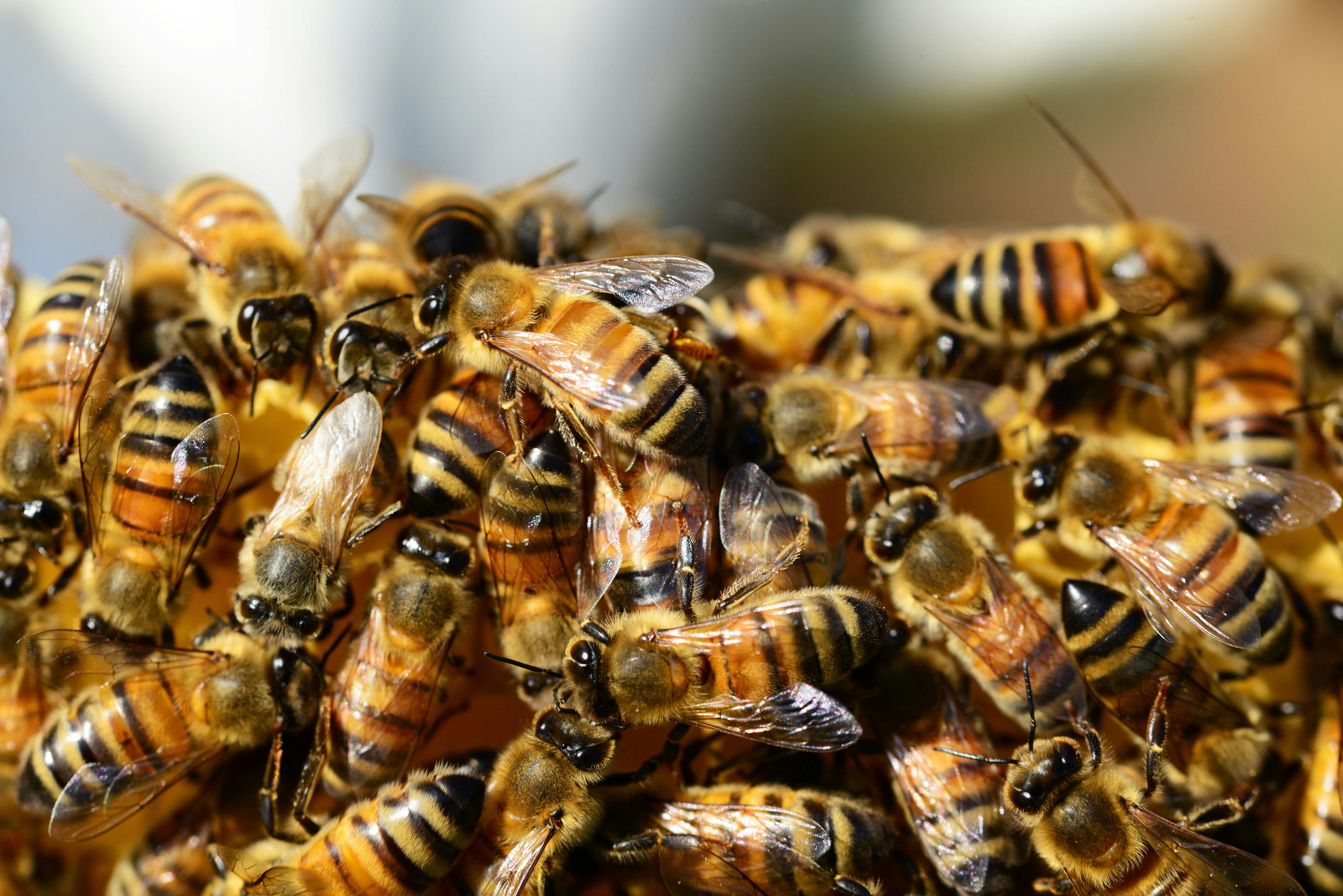
Three popular designs. Langstroth is beginner-friendly and industry standard.
- Langstroth – stackable boxes, movable frames, easy to inspect.
- Top-bar – horizontal, no heavy lifting, bees build natural comb.
- Warre – vertical, "bee-centric", less intervention.
Start with 2 hives to compare health and share brood if needed.
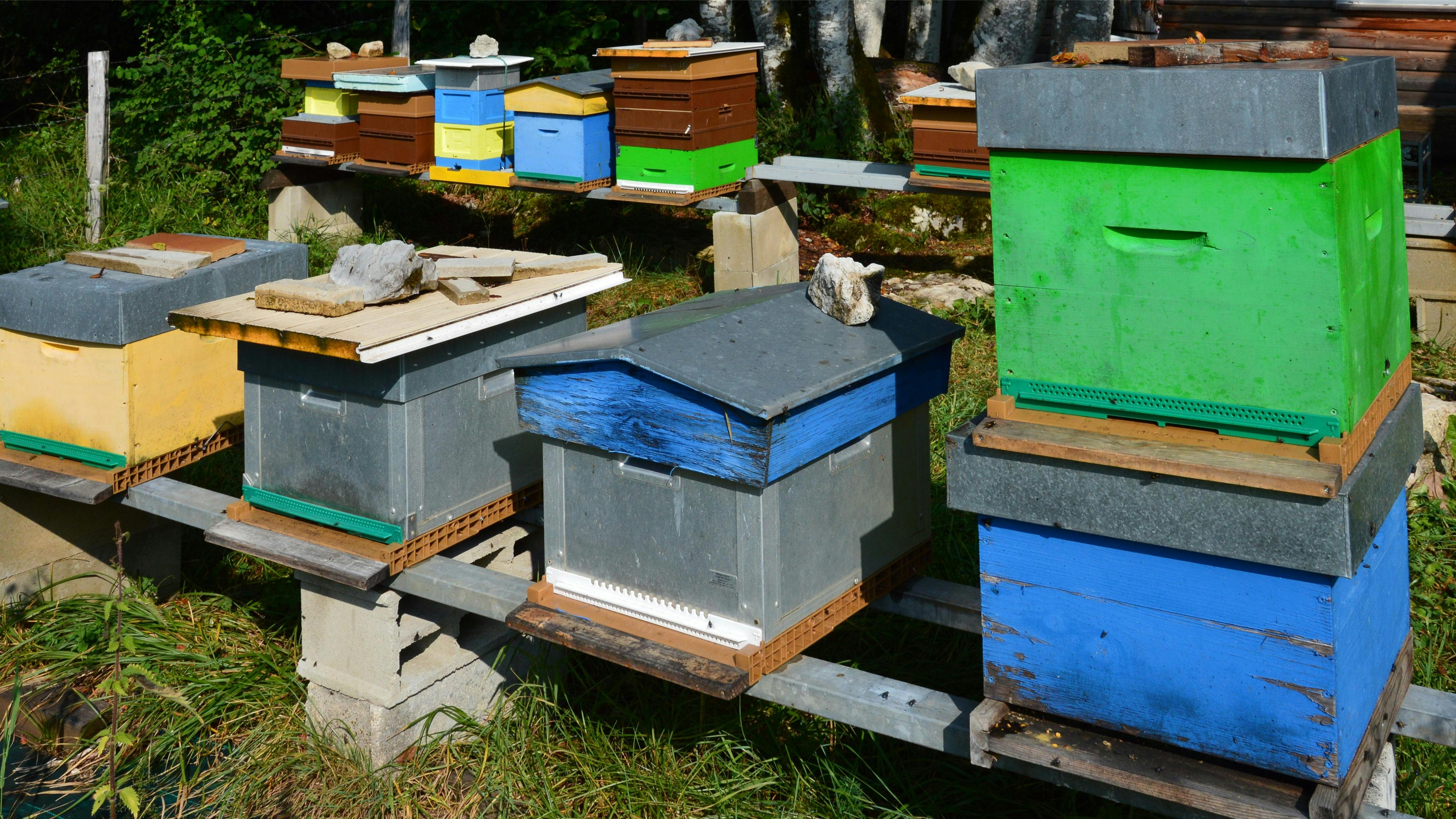
Pro tip: Buy a stainless steel smoker — it lasts decades.
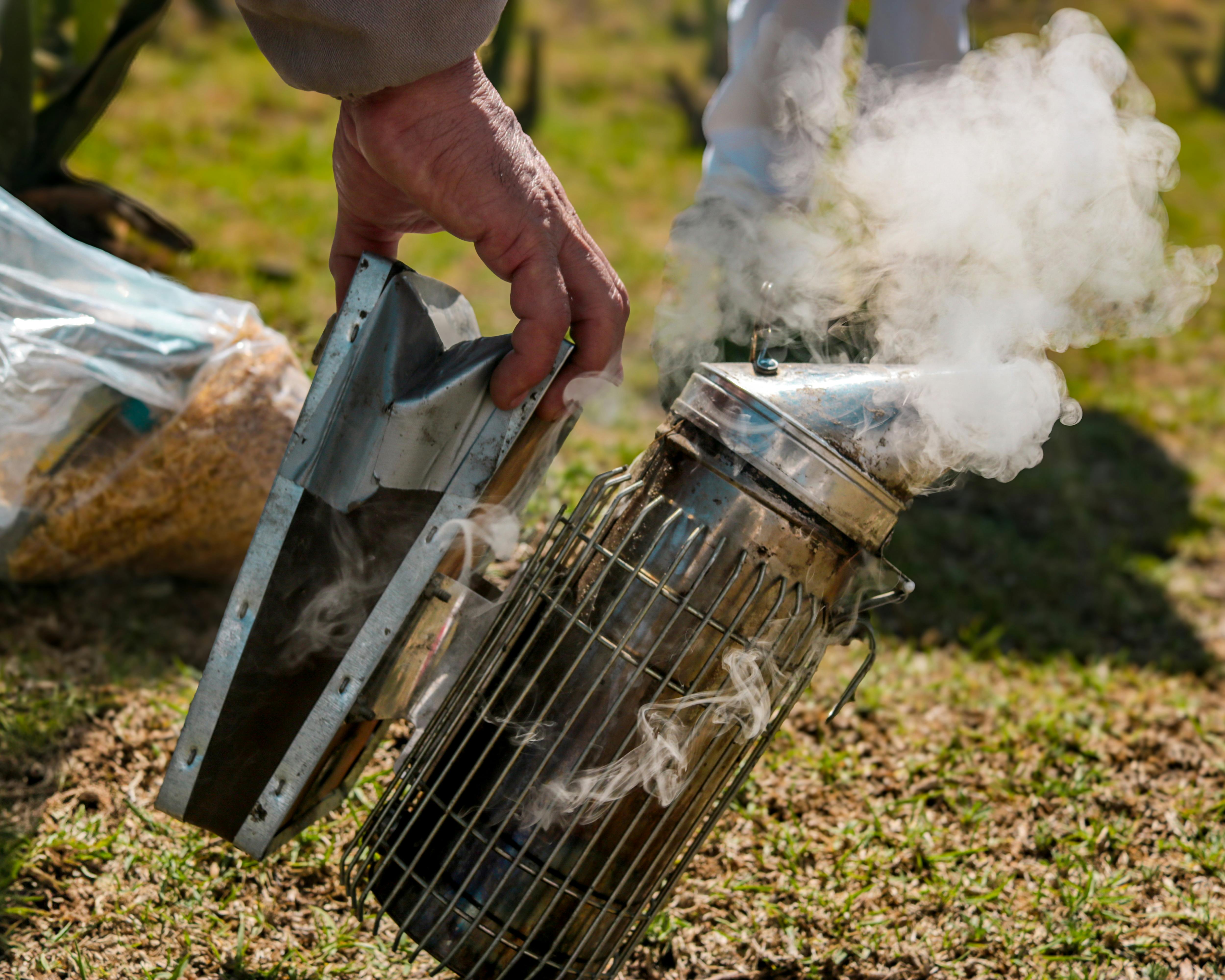
- Package bees (3 lbs ≈ 10k bees + mated queen) – best for budget.
- Nuc (nucleus) – 5 drawn frames, brood, queen – higher success.
- Local swarm capture – free but advanced.
Order in January–March for spring delivery. Italian or Carniolan breeds are gentle.
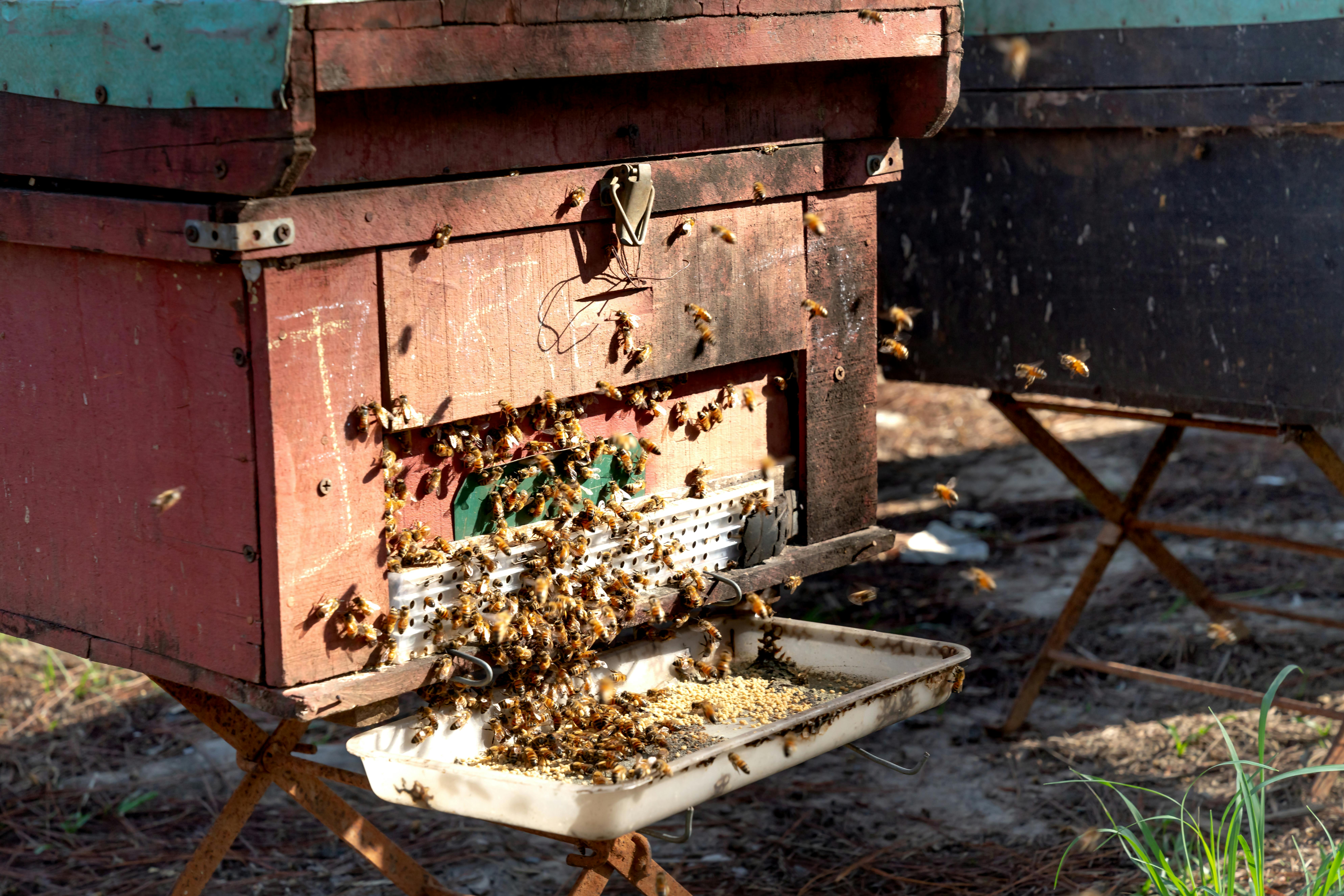
Choose a warm, calm afternoon (≥16°C / 60°F).
- Spray bees with 1:1 sugar water to calm them.
- Remove queen cage, check her health, hang between frames (candy plug up).
- Gently shake bees into the hive, replace inner cover and feeder.
- Wait one week before first inspection.
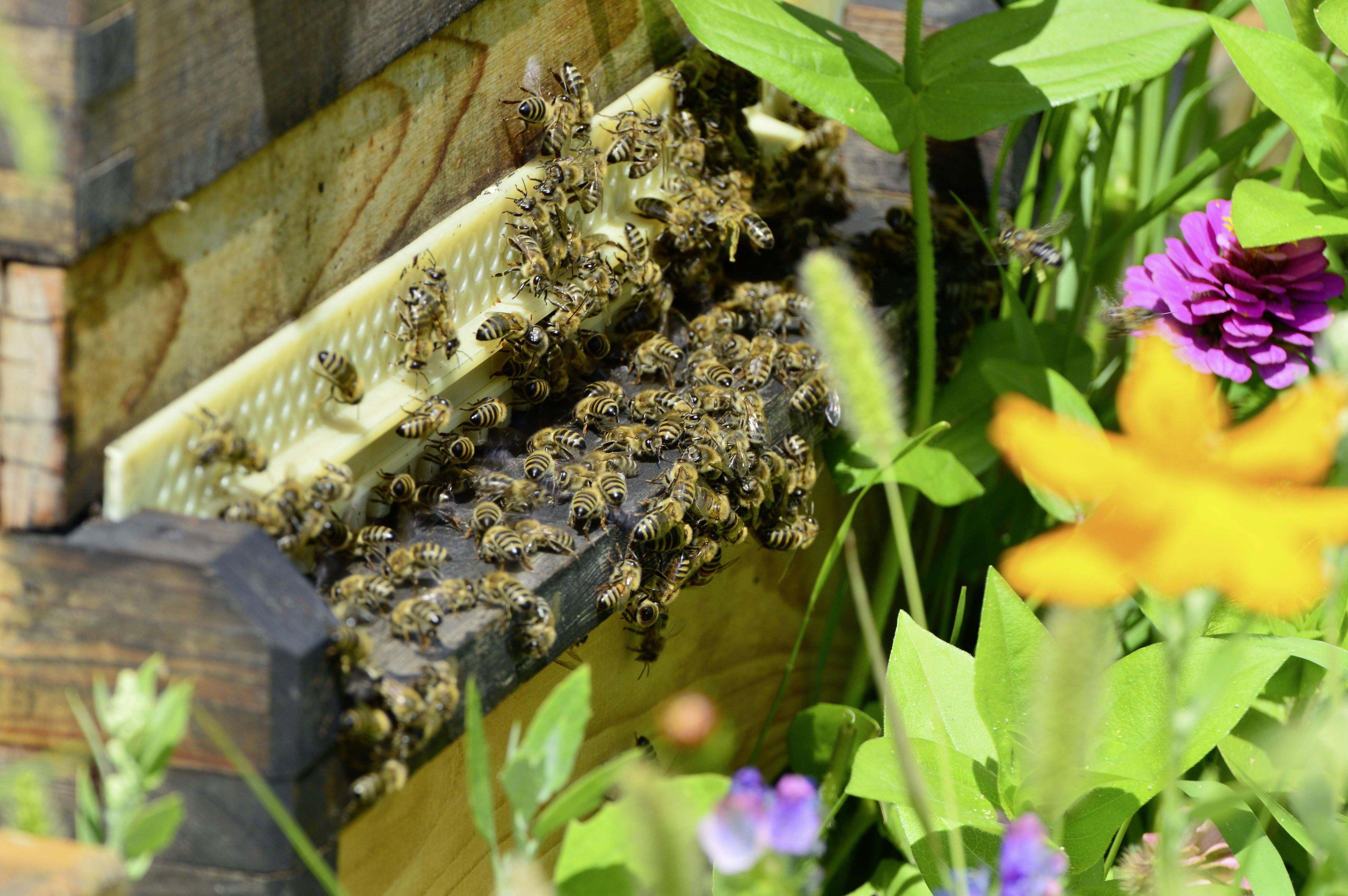
Each season demands different tasks:
- 🌸 Spring: Inspect every 7–10d, feed 1:1 syrup, monitor for swarming.
- ☀️ Summer: Add honey supers, ensure water source, mite check.
- 🍂 Fall: Treat varroa, reduce entrance, weigh hive (need 60–80 lbs honey).
- ❄️ Winter: Do not open hive; add windbreak, clear snow from entrance.
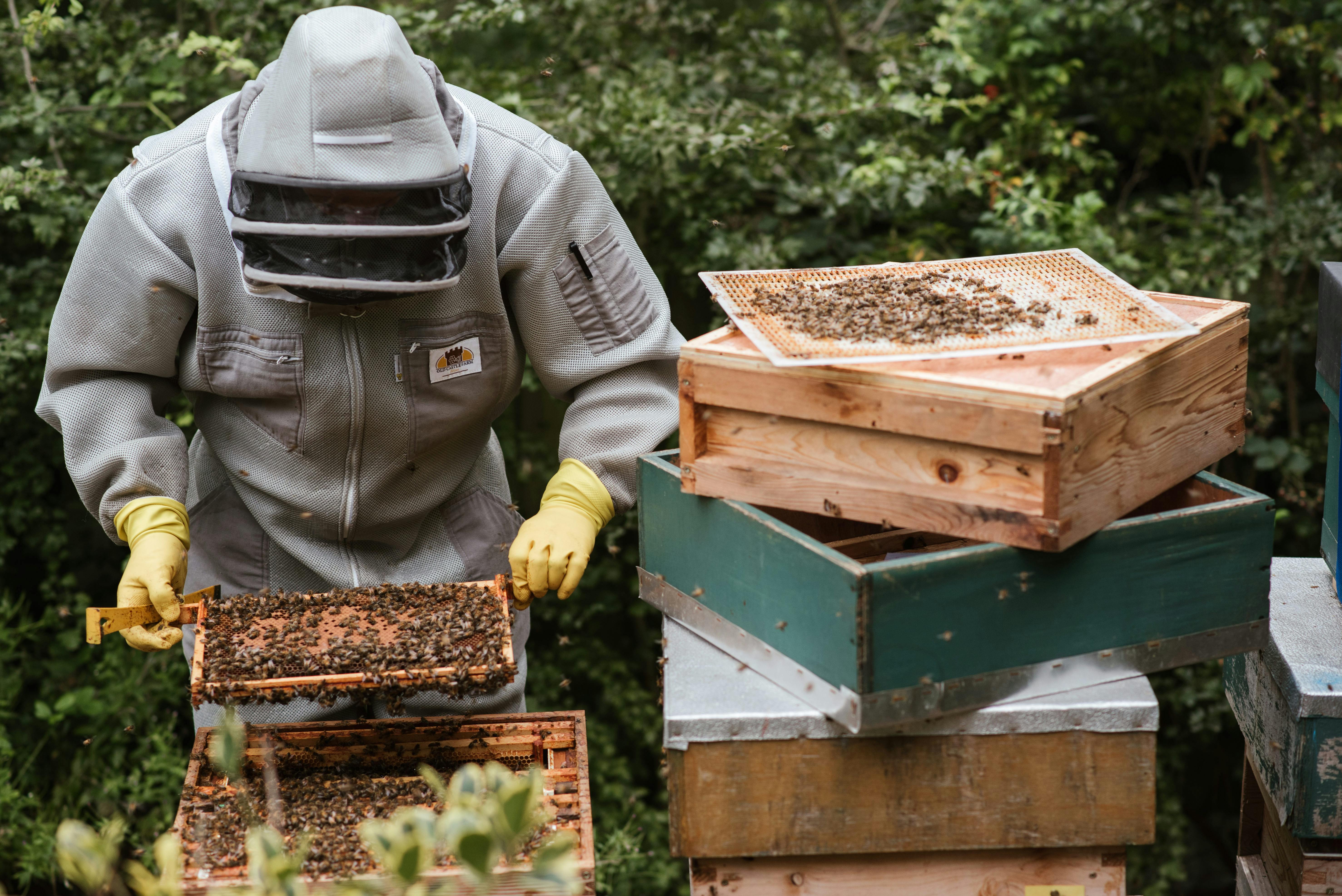
Varroa destructor is enemy #1. Monitor monthly using alcohol wash or sticky board.
- Treat with organic acids (oxalic, formic) or thymol-based products.
- Recognize signs: deformed wings, phoretic mites on bees, reduced brood.
- Use screened bottom boards and drone brood removal as IPM.
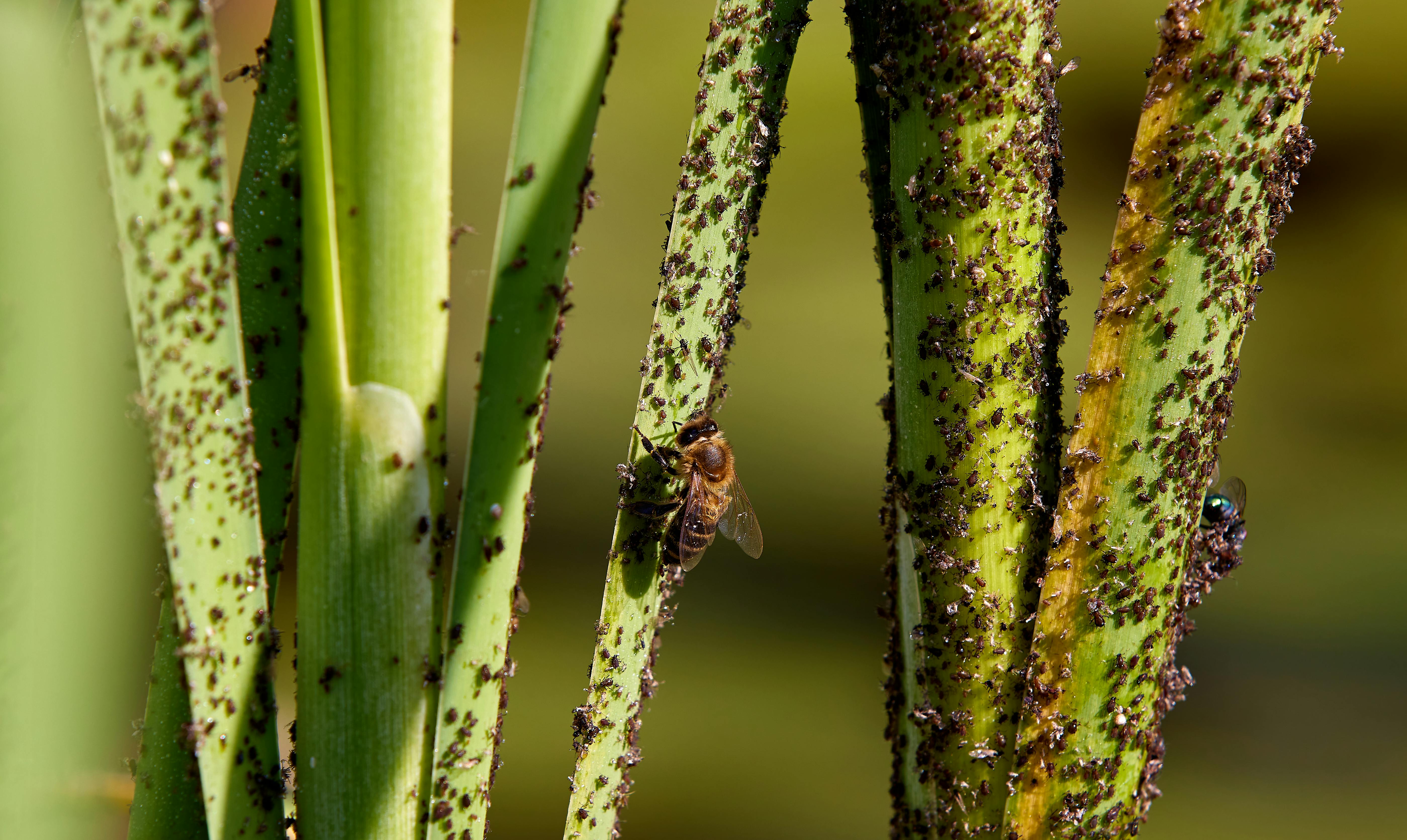
When 80% of frames are capped with white wax, harvest time!
- Use bee escape board or fume board to clear supers.
- Uncap with hot knife or uncapping fork.
- Extract, filter, bottle, and label (varietal honey if single floral source).
Average yield: 30–60 lbs per hive in good seasons. Leave at least 60 lbs for winter.